The provision of assistance and guidance in resolving personal, social, or psychological problems and difficulties, especially by a professional.
Example: The couple had no premarital counseling and rushed into marriage without much thought for the future.
fr: conseils
criminology
noun
The scientific study of crime and criminals.
Example: Criminology can be used to analyze crime trends and identify social, economic, demographic or personal factors in crime.
fr: criminologie
delinquency
noun
Delinquency implies conduct that does not conform to the legal or moral standards of society.
Example: The police officer's job is to serve and protect, but it is also to prevent delinquency from happening in the first place.
fr: délinquance
human right
noun
A right that is believed to belong justifiably to every person.
Example: He shows a flagrant disregard for basic human rights.
fr: droit humain
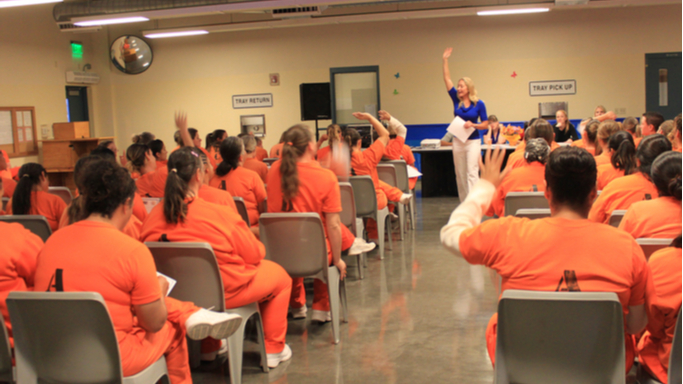
incarceration
noun
The state of being confined in prison; imprisonment.
Example: There have been angry protests about his arrest and incarceration.
fr: incarcération
intervention
noun
The act or fact of becoming involved intentionally in a difficult situation.
Example: There are many things said and written about the legality of intervention in foreign countries.
fr: intervention
law
noun
The system of rules which a particular country or community recognizes as regulating the actions of its members and which it may enforce by the imposition of penalties.
Example: They were taken to court for breaking the law.
fr: loi
prevention
noun
The action of stopping something from happening or arising.
Example: Prevention and early intervention strategies can reduce the impact of substance use and mental disorders in America's communities.
fr: prévention
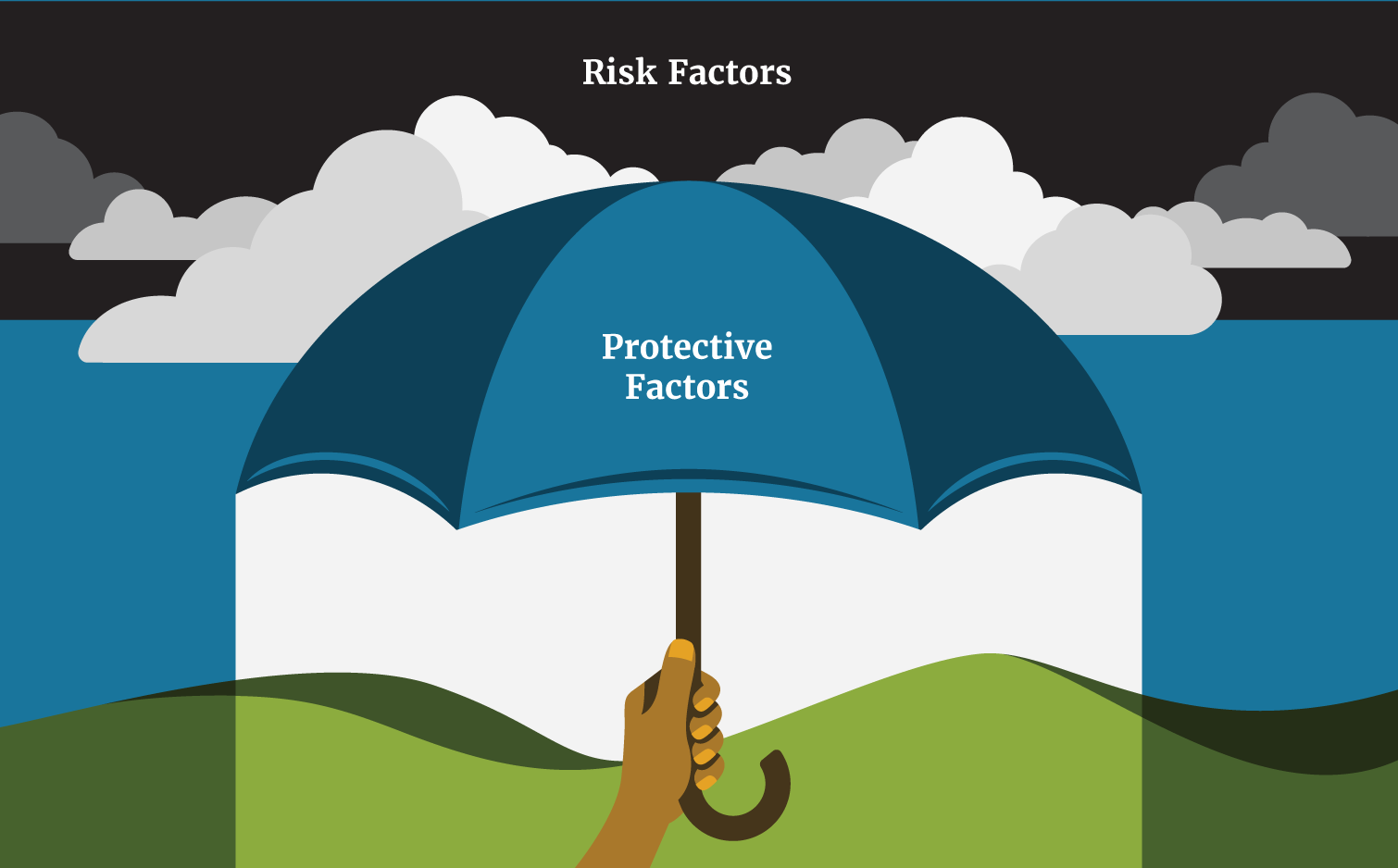
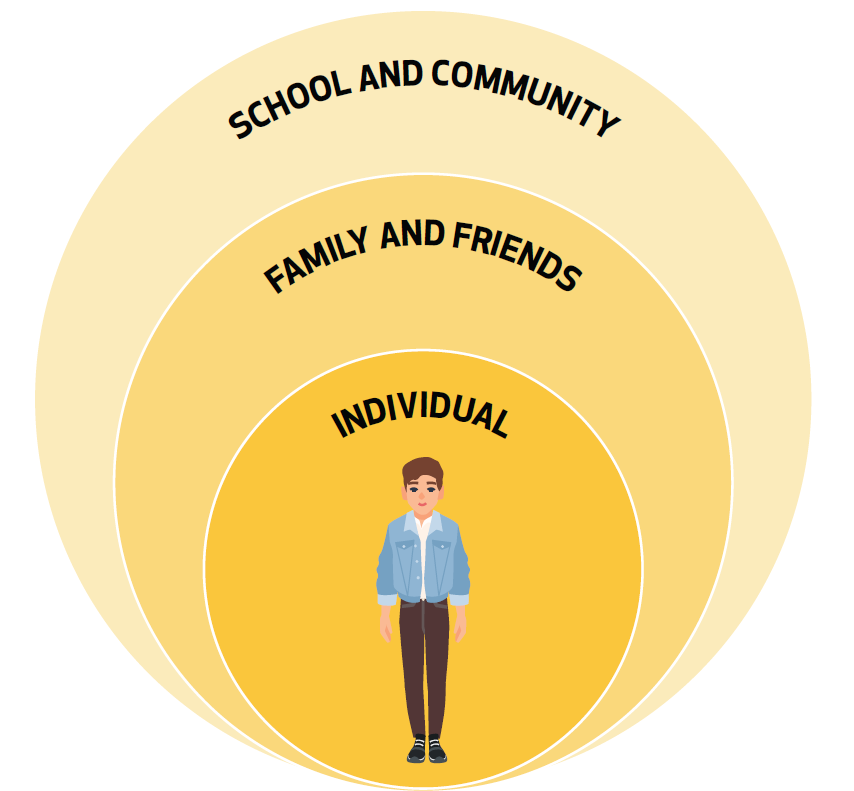
protective factor
noun
Protective factors are characteristics associated with a lower likelihood of negative outcomes or that reduces a risk factor's impact.
Example: Strong social support is a protective factor.
fr: facteur de protection
psychology
noun
The scientific study of the human mind and its functions, especially those affecting behavior in a given context.
Example: Psychology includes the study of conscious and unconscious phenomena, including feelings and thoughts.
fr: psychologie
rehabilitation
noun
The action of restoring someone to health or normal life through training and therapy after imprisonment, addiction, or illness.
Example: In my field of study, we believe in rehabilitation.
fr: réhabilitation
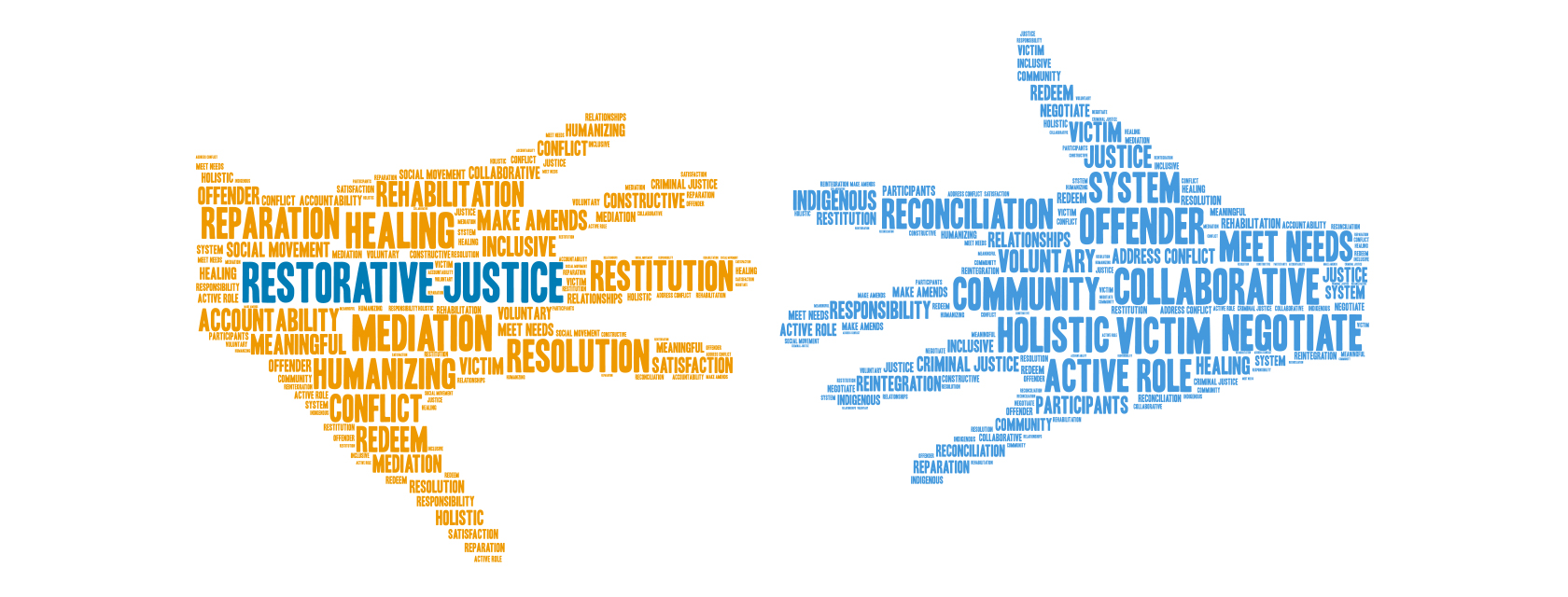
restorative justice
noun
Restorative justice is an approach to justice that seeks to repair harm by providing an opportunity for those harmed and those who take responsibility for the harm to communicate about and address their needs in the aftermath of a crime
Example: A restorative justice program aims to get offenders to take responsibility for their actions, to understand the harm they have caused, to give them an opportunity to redeem themselves, and to discourage them from causing further harm.
fr: justice réparatrice
risk factor
noun
Risk factors are characteristics at the biological, psychological, family, community, or cultural level that precede and are associated with a higher likelihood of negative outcomes.
Example: Drug abuse is a risk factor.
fr: facteur de risque
social service
noun
Government services provided for the benefit of the community, such as education, medical care, and housing.
Example: Three of these cases were investigated and resolved by social service agencies.
fr: service social
sociology
noun
The study of the development, structure, and functioning of human society.
Example: Although this would require additional schooling and certification, social work would be a career that people who study sociology could choose.
fr: sociologie
truancy
noun
The action of staying away from school without good reason; absenteeism.
Example: He had a history of truancy and expulsion from school.
fr: absentéisme
victim
noun
A person harmed, injured, or killed as a result of a crime, accident, or other event or action.


/https://www.thestar.com/content/dam/thestar/news/gta/2020/03/16/this-will-spread-very-fast-correctional-staff-warn-they-wont-be-able-to-stop-covid-19-if-it-g)